


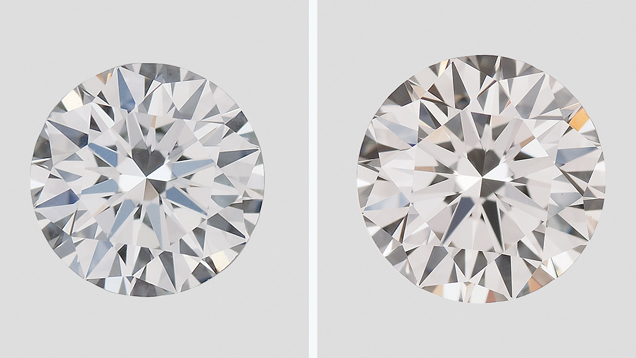
Diamonds have captivated humanity for centuries. They symbolize love, success, and commitment, but for a long time, their origin was limited to what could be extracted from deep within the earth. Today, that story has evolved dramatically. With the advent of advanced technology, it’s possible to grow real diamonds above ground using processes that replicate natural conditions. The two most widely used methods are known as CVD and HPHT—and understanding the differences between them opens up a new level of appreciation for the brilliance of lab made diamonds.
When you admire a sparkling stone in a display case or slip one onto your finger, you might not consider the science behind its existence. But for those who value transparency and ethics, as well as beauty and performance, knowing how a diamond is created can be as important as how it looks.
In this article, we’ll explore cvd vs hpht, comparing the two growth methods not just scientifically but from the perspective of the buyer—someone who wants to know where their diamond came from, how it performs, and what sets it apart.
Table of Contents
Understanding How Lab Grown Diamonds Are Made
Before we dive into the difference between CVD and HPHT, it’s helpful to understand what lab-grown diamonds really are. These are not simulants like cubic zirconia or moissanite. Lab diamonds are optically, physically, and chemically identical to mined diamonds. The only real difference is their origin: one is mined from the earth; the other is grown in a laboratory.
Both the CVD (Chemical Vapor Deposition) and HPHT (High Pressure High Temperature) methods start with a diamond seed—a tiny slice of carbon that guides the growth of a full-sized crystal. From there, the two processes diverge, resulting in subtle differences in structure, appearance, and performance.
The HPHT Method: Mimicking the Earth
HPHT stands for High Pressure High Temperature, and it’s the original method used to grow diamonds in a lab. This process simulates the natural conditions found deep in the earth’s mantle—intense pressure and heat—to create diamond crystals.
In HPHT, a diamond seed is placed in a carbon source and subjected to extreme pressures (up to 5 GPa) and temperatures (over 1,500°C). Under these conditions, the carbon melts and crystallizes around the seed, forming a new diamond over the course of several days to weeks.
HPHT diamonds are known for their exceptional clarity and hardness. Because the growth conditions are intense, the resulting diamonds tend to be structurally stable and resilient. However, the HPHT method can sometimes introduce trace metallic inclusions from the growth chamber, which may be detected during grading.
The CVD Method: A Modern Approach
CVD stands for Chemical Vapor Deposition, a newer method that has quickly gained popularity in the diamond industry. In this technique, a thin diamond seed is placed in a vacuum chamber filled with carbon-rich gas (often methane). When the chamber is heated to high temperatures (around 800°C), the carbon atoms in the gas break apart and settle onto the seed, growing layer by layer.
The process is more controlled than HPHT and allows for the production of diamonds with fewer inclusions. CVD also offers greater consistency and efficiency, making it easier to create high-quality diamonds suitable for fine jewelry.
While early CVD diamonds sometimes had a brownish tint, modern technology has largely resolved this issue. Additional HPHT treatment can also be applied post-growth to enhance color if necessary. Today’s CVD diamonds are virtually indistinguishable from natural ones, even under a jeweler’s loupe.
Appearance and Quality: Is There a Difference?
To the untrained eye, CVD and HPHT diamonds look nearly identical. Both can be cut into brilliant shapes, exhibit dazzling clarity, and rank a perfect 10 on the Mohs scale of hardness. However, gemologists can identify subtle differences using specialized equipment.
HPHT diamonds may have unique growth patterns or metallic inclusions, while CVD diamonds may display characteristic striations or pinpoint inclusions. These features rarely impact the appearance to the human eye but can be of interest to those wanting to know exactly how their diamond was created.
In terms of grading, both CVD and HPHT diamonds can receive high marks from respected laboratories such as GIA or IGI. Factors like cut, color, and clarity are assessed independently of the growth method, so a well-crafted CVD diamond might be rated more highly than a poorly grown HPHT one.
Cost Considerations and Market Trends
As of now, there isn’t a significant price difference between CVD and HPHT diamonds at the retail level, especially for stones that are well-cut and high quality. However, some jewelers and buyers may prefer one method over the other due to personal philosophy or perceived value.
The growing popularity of CVD is often attributed to its modernity and energy efficiency, while HPHT continues to be valued for its ability to produce large, colorless diamonds. Both methods are improving rapidly, meaning buyers today have access to better stones than ever before.
One clear advantage of both is their affordability compared to mined diamonds. Lab-grown diamonds typically cost 30–50% less than their natural counterparts, allowing customers to prioritize design, setting, and size without inflating their budgets.
Environmental and Ethical Impact
Both CVD and HPHT methods eliminate the destructive environmental and humanitarian concerns often associated with traditional diamond mining. No open-pit mines, displaced communities, or unsafe labor conditions are involved.
CVD, in particular, is seen as more environmentally friendly due to its lower energy consumption and the absence of metallic solvents used in HPHT. For eco-conscious buyers, that might make it the preferred choice. That said, both methods are part of a larger movement toward sustainable luxury, and either represents a vast improvement over conventional sourcing.
Consumers looking to align their values with their purchases will find both options highly attractive—and that’s part of the reason lab made diamonds are transforming the jewelry market.
Making the Right Choice for You
When choosing between CVD and HPHT, there’s no universally “better” option—just the one that suits your preferences, values, and budget best. If you’re drawn to modern innovation and environmental benefits, CVD may appeal more. If you’re interested in traditional growth techniques and the production of larger stones, HPHT could be your pick.
Ultimately, most jewelers don’t even label the growth method unless asked. The diamond’s beauty, grading, and setting often matter more to the wearer than the science behind it. However, for those who care to look deeper, the knowledge can enhance the meaning and value of their purchase.
It’s no longer just about carat size or how much a diamond costs. It’s about understanding the journey that brought that sparkle into your life—knowing how it was formed, what it represents, and how it fits into a broader world of ethical, intelligent consumerism.
The Future of Diamond Creation
The debate around cvd vs hpht will likely continue as both methods evolve and improve. But one thing is certain: the ability to grow diamonds in a lab has revolutionized the way we think about luxury, sustainability, and design.
These aren’t synthetic stones or imitations—they are real diamonds, born from our ingenuity and care for the world. As technology advances, the lines between method, meaning, and artistry will continue to blur, leaving behind only brilliance.
Whether you choose a diamond grown in a high-pressure chamber or formed atom by atom in a gas cloud, you’re part of a new chapter in the story of diamonds. And that story is just beginning.