
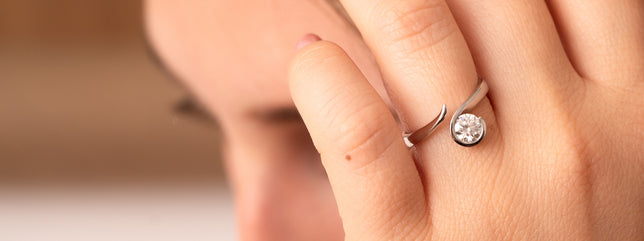
In recent times, lab grown diamonds have emerged as a popular alternative to natural diamonds, capturing the attention of consumers who seek both sustainability and affordability. With advancements in technology and growing awareness about ethical sourcing, more people are choosing to buy lab grown diamonds rather than traditional mined stones. These diamonds, also known as lab made diamonds, offer the same brilliance, sparkle, and chemical properties as natural diamonds, but come with several distinct advantages.
Table of Contents
What Are Lab Grown Diamonds?
Lab grown diamonds are genuine diamonds created in controlled laboratory environments using advanced technological processes that replicate the natural conditions under which diamonds form. Unlike synthetic imitations or simulants like cubic zirconia, lab made diamonds are chemically, physically, and optically identical to natural diamonds.
There are two main methods used to produce these diamonds:
High Pressure, High Temperature (HPHT)
This method mimics the intense pressure and heat found deep within the Earth. Carbon is subjected to extreme conditions, forming a diamond over time.
Chemical Vapor Deposition (CVD)
In this process, a diamond seed is placed in a chamber filled with carbon-rich gases. Under controlled conditions, the carbon atoms deposit layer by layer, creating a diamond.
Both methods result in diamonds that are indistinguishable from natural diamonds to the naked eye and even under professional scrutiny. This scientific advancement allows consumers to buy lab grown diamonds that are both luxurious and environmentally responsible.
Advantages of Choosing Lab Made Diamonds
1. Ethical and Conflict-Free
One of the biggest concerns with traditional diamond mining is the potential for conflict diamonds—stones mined in war zones and sold to finance armed conflicts. Lab grown diamonds eliminate this issue entirely. Because they are produced in a controlled environment, buyers can be confident that their diamond is 100% conflict-free. This transparency appeals to modern consumers who prioritize ethical sourcing.
2. Environmental Sustainability
Mining natural diamonds can have a significant environmental impact, including deforestation, soil erosion, and carbon emissions. Lab made diamonds, on the other hand, consume far fewer natural resources. Studies suggest that producing a lab grown diamond generates only a fraction of the carbon footprint compared to mining a natural diamond of similar size and quality. For eco-conscious buyers, this makes lab grown diamonds an attractive choice.
3. Cost-Effectiveness
Lab grown diamonds generally cost 20–40% less than their mined counterparts of equivalent size and quality. This affordability allows consumers to purchase larger or higher-quality diamonds for the same budget, making luxury more accessible without compromising on beauty or brilliance.
4. Equal Quality and Brilliance
Many people assume that lab grown diamonds are inferior in appearance, but this is a misconception. Modern lab made diamonds retain the same hardness, clarity, and sparkle as natural diamonds. They are graded using the same standards (the 4 Cs: Carat, Cut, Color, and Clarity) by reputable gemological laboratories, ensuring buyers know exactly what they are purchasing.
Popular Uses of Lab Grown Diamonds
Lab grown diamonds are versatile and used in a variety of jewelry pieces:
Engagement Rings
Many couples are choosing lab made diamonds for engagement rings, drawn by the ethical and financial benefits.
Earrings and Necklaces
From studs to pendants, lab grown diamonds offer the same brilliance and quality as natural diamonds in everyday jewelry.
Fashion and Custom Jewelry
Designers are increasingly incorporating lab grown diamonds into bespoke pieces, allowing creative freedom without the high costs associated with natural diamonds.
How to Buy Lab Grown Diamonds
When looking to buy lab grown diamonds, there are several factors to consider to ensure you make an informed purchase:
Certification
Always choose diamonds that come with certification from a reputable gemological lab such as GIA, IGI, or GCAL. This guarantees that the diamond’s quality has been objectively verified.
4 Cs Assessment
Just like natural diamonds, lab grown diamonds are graded on Carat, Cut, Color, and Clarity. Understanding these characteristics will help you select the perfect diamond for your needs.
Reputable Retailers
Buy from established jewelers or online retailers known for transparency and customer service. Many offer virtual viewing tools and detailed descriptions to help you make a confident choice.
Warranty and Return Programs
Ensure the dealer provides clear programs for returns, exchanges, and warranties. This adds peace of mind, especially when purchasing a high-value item online.
Addressing Common Myths
Despite their growing popularity, several misconceptions about lab grown diamonds persist:
“Lab Grown Diamonds Are Fake”
Lab grown diamonds are real diamonds in every sense—chemically, physically, and optically identical to natural stones.
“They Don’t Retain Value”
While the resale market for lab grown diamonds is currently smaller, their affordability and growing demand suggest they will continue to be a valuable option.
“They Lack Uniqueness”
Although more accessible than mined diamonds, lab grown diamonds can still be rare and unique, particularly those with exceptional color or clarity.
The Future of Diamond Shopping
As technology improves and consumer awareness grows, the trend toward lab grown diamonds is likely to accelerate. Jewelry designers, retailers, and even traditional diamond companies are expanding their collections to include lab made options. Buyers now have the power to choose diamonds that reflect their values, whether it’s sustainability, affordability, or ethical responsibility.
Lab grown diamonds also offer opportunities for innovation. Because they can be produced in controlled environments, it’s possible to create diamonds in unique colors, shapes, and sizes that are rarely found in nature. This opens the door for entirely new design possibilities in the jewelry market.
Conclusion
Choosing to buy lab grown diamonds is more than just a fashion statement—it’s a conscious decision that aligns luxury with ethics, sustainability, and innovation. These diamonds provide the same unmatched sparkle and quality as natural diamonds while offering environmental and financial benefits. Whether for engagement rings, fine jewelry, or custom pieces, lab grown diamonds are quickly becoming the modern standard for conscientious consumers who refuse to compromise on beauty or values.
As awareness continues to grow, there has never been a better time to explore the world of lab made diamonds and discover how cutting-edge technology is transforming one of the world’s most timeless symbols of love and luxury.


